
Australia is one of the world’s most popular study destinations, and its student visa is designed as a complete package: a genuine course with a registered provider, evidence that you can support yourself, health cover for your stay, and limited work rights while you study. This guide explains how the route works in plain language.
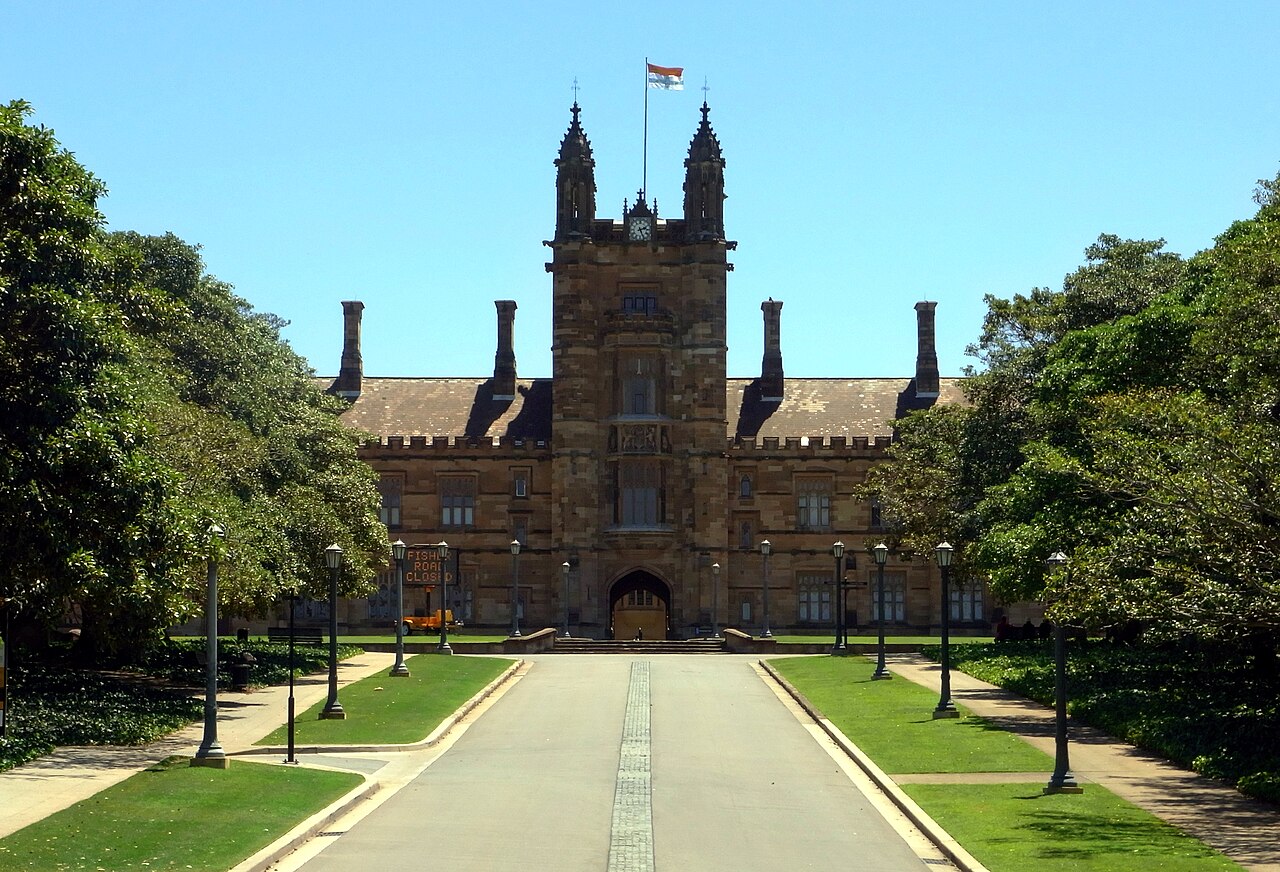
The Student visa (subclass 500)
The main route for international students.
Almost all international students use the Student visa (subclass 500), which covers school study, English language courses (ELICOS), vocational education and training (VET) and university degrees. Before you can apply you must enrol with an Australian provider registered on the Commonwealth Register of Institutions and Courses for Overseas Students (CRICOS) and receive a Confirmation of Enrolment (CoE) for your course. A single visa can cover a package of courses, for example an English course leading into a degree.
The genuine student requirement
Showing your main purpose is study.
Every applicant must satisfy the genuine student requirement: the Department of Home Affairs assesses whether your main purpose is genuinely to study, looking at your circumstances at home, your study and work history, the value of the chosen course to your future, and how coherently your application explains them. A course that connects logically to your background or career plans is far more convincing than one chosen only because it is cheap or quick. You must also show English language proficiency at the level your provider and the visa require, and evidence that you can cover your course fees, living costs and travel.
Health cover and conditions
The rules attached to the visa.
International students must hold Overseas Student Health Cover (OSHC) from an approved provider for the whole of their stay. Once your visa is granted it comes with conditions you must respect: stay enrolled in a registered course, maintain satisfactory course progress and attendance, keep your OSHC current, and tell your provider and the department when your address changes. Breaching course-progress conditions is one of the most common reasons student visas run into trouble.
Working while you study
Part-time work alongside your course.
Student visa holders may work part-time during their course within the work limit attached to the visa, and full-time during scheduled course breaks; the work must never be the reason the visa was granted, and it cannot begin until your course has started. Some students, such as research postgraduates, have different arrangements, and partners included on the visa have their own work conditions. Many students find casual work in hospitality, retail, care and campus services — the same sectors that advertise heavily on job boards — but study always has to come first under your visa conditions.
After you graduate
Graduate routes into Australian work.
Graduates with eligible qualifications can apply for the Temporary Graduate visa (subclass 485), which lets you live and work in Australia after your course and build local experience. That experience can then support the skilled and employer-sponsored routes on our Australia work visas page — Australian employers value local references, and time on a graduate visa is when many sponsorship conversations happen. Students with a guardian in Australia should also know the Student Guardian visa (subclass 590), and people coming for structured workplace training may use the Training visa (subclass 407).
How AlfaCareers jobs connect
Find Australian jobs that mention sponsorship.
Looking for part-time or graduate roles? Search live vacancies on our Jobs in Australia page, or browse every country on Find Jobs.
Disclaimer: The information on this page is general guidance only and is not legal advice. Immigration rules change frequently — always confirm current requirements on the official government websites linked on each guide, or consult a qualified immigration adviser. For Australia, migration agents must be registered with the Office of the Migration Agents Registration Authority (MARA).
Sources: Department of Home Affairs — immi.homeaffairs.gov.au (Student visa and Temporary Graduate visa pages); Study Australia — studyaustralia.gov.au; CRICOS — cricos.education.gov.au.